How about a bathtub and shower? Complete procedure without scratches and smudges
Author: EkoBIT team
The bathroom is one of the busiest spaces in the home. Every day, the bathtub and the shower face limescale, soap residue, skin oils and moisture that harbors mold. Below you will find a well-thought-out procedure that saves time and surfaces - and works on acrylic, enamel, glass and stone.
What to prepare (and why)
-
2-3 microfiber cloths (gloss without smudges, less chemistry)
-
Non-abrasive sponge / soft brush (for joints and seals)
-
Glass squeegee (immediate water drainage)
-
PH-neutral cleaner (universal for daily maintenance)
-
Limescale remover (acidic - for calcium deposits)
-
Degreaser (alkaline - for soap residues and skin oils)
-
Citric acid/citric acid a baking soda (thrifty home alternatives)
-
Rubber gloves, ventilation (security)
Watch out for combinations: Do not mix acid and chlorine products. Vinegar/acid do not use on natural stone (marble, travertine) and some cement joints.
Basic rules by surface
-
Acrylic bathtub: Only pH-neutral or very fine products, without sand and wire.
-
Enamel/steel: It can tolerate a little more, but long exposure to acids can dull it.
-
Glass (screens): Acid cleaner/citric acid for stone; always rinse thoroughly and remove with a spatula.
-
Natural stone: Only pH-neutral cleaners designed for stone, dry immediately.
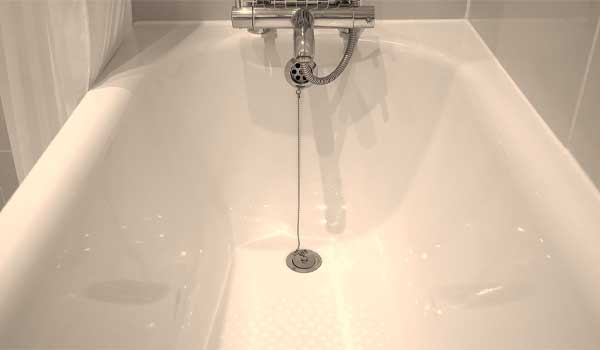
Procedure: bath step by step (15-25 minutes)
-
Rinse with hot water - releases grease and soap.
-
Pre-soaking and dwell time - spray a pH-neutral cleaner (degreaser for heavy dirt). Let it work for 5-7 minutes.
-
Gentle cleaning - with a soft sponge in a circular motion, edges and overflows with a brush.
-
Scale on faucet and drains - apply acidic cleaner/lemon topically. Rinse after 2-3 minutes.
-
Rinse + dry - rinse thoroughly and dry with a microfibre to avoid maps.
-
Siphon and drain - removing hair with a hook, rinse with hot water to prevent odor. (Enzymatic agents are gentle; avoid harsh chemicals.)
Stains "from metal" or discoloration: A paste of baking soda + a little water (gently, without pressure) often works on the enamel. Special cleaners recommended by the manufacturer are preferred for acrylic.
Procedure: shower (20-30 minutes)
-
Spray glass and profiles in advance - acid cleaner/lemon for glass, pH-neutral for frames and seals. Leave on for 3-5 minutes.
-
Glass - wipe with a non-abrasive sponge, rinse and pull from top to bottom with a spatula.
-
Gaskets and corners - brush + pH-neutral cleaner. If there is mold in the silicone, only replacement will help in the long term; can be temporarily lightened with oxygen bleach (according to instructions, never on stone and without mixing with other chemicals).
-
Shower faucet and head - dissolves scale bath in citric acid solution (e.g. 1-2 spoons per 0.5 l of warm water, 30-60 min). Then rinse.
-
Shower tray / tiles - first degreasing (soap scale), then only the water scale remover. Between rinse steps.
-
Joints - brush and pH-neutral cleaner; use acidic agents briefly and locally (they can damage the joint compound).
-
Final polishing - dry microfiber for glass and batteries for a perfect shine.
When it's "over the edge" (heavy deposits and mold)
-
Limestone layered over the years: Work in “short acid cleaner → rinse → again” cycles instead of long exposures.
-
Soapstone (grey coating): Alkaline degreaser, leave to act, then mechanically disturb with the soft side of the sponge.
-
Mold in silicone: Temporarily lightens oxygen bleach; permanent solution is cutting and re-pairing.
-
Earthenware/river stain on glass: Consider professional glass polishing or replacement; prevention (squeegee) is cheaper than renovation.
For baked stone, extensive maps on glass or remediation of mold in the joints, it is worth it professional hot steam cleaning, which penetrates the pores and eliminates the biofilm without aggressive chemistry.
Ecological and gentle recipes
-
Quick degreaser: 1 l of warm water + a drop of detergent (pH-neutral).
-
Lemon scale remover: 1 l of warm water + 2-3 spoons of citric acid; act briefly, then rinse.
-
Mild Stain Paste: Baking soda + a few drops of water; only on resistant surfaces (not acrylic without test).
-
Glass polish: Distilled water in the atomizer + a few drops of alcohol; wipe with a spatula, polish with a microfiber.
Prevention: less work every time you shower
-
A squeegee after every shower - 30 seconds, a major difference.
-
Good ventilation draft - after the shower, leave the door ajar, turn on the fan.
-
Less soap = less coating - liquid soaps form less soapstone than bars.
-
Glass/stone impregnation - the hydrophobic layer slows down settling (repeat according to the manufacturer).
-
Weekly reset - short spraying and wiping of glass and batteries will prevent layering.
Weekly plan (quick checklist)
-
Spray the screen glass and remove with a squeegee
-
Drain the battery and head, or soak briefly in lemon water
-
Bath/tub - degreasing + rinsing, drying with microfiber
-
Sealing and corners with a brush, silicone check
-
Drainage - hair removal, hot water for rinsing
The most common mistakes
-
Long exposure to acids on enamel, chrome and joints - leads to matting and damage.
-
The abrasive side of the sponge on acrylic and glass - micro-scratches hold the dirt even more.
-
Mixing detergents - dangerous fumes and damage to surfaces.
-
"Dry" cleaning without soaking - unnecessary toil; always give the remedy time.
A brief summary
Success lies in the order: degreasing → rinsing → lime scale → rinsing → drying. Work according to the type of surface, leave the products on for a short time and remove with a squeegee after each shower. For heavy deposits and mold remediation, consider steam cleaning, which saves time and aggressive chemistry.