Caring for wooden parquet: practical instructions for a long life and a beautiful appearance
Author: EkoBIT team
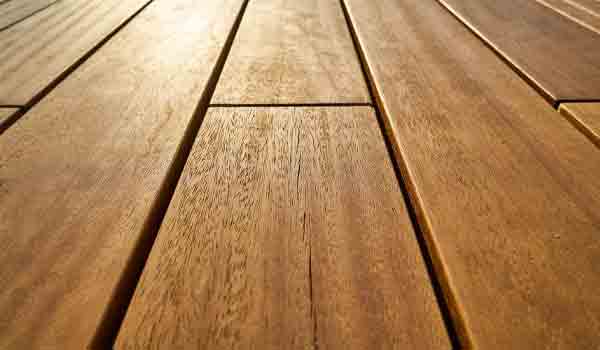
Wooden parquets are an investment for decades. With proper maintenance, they retain their color, structure and stability and can handle daily use without unnecessary scratches or graying. Below you will find an understandable care procedure according to the type of surface, recommended means and mistakes that should be avoided.
1) First, know the surface: varnish, oil or wax
-
Varnished parquet floors - have a hard, closed film. They better resist stains and moisture, and are more difficult to repair locally (abrasions require more intervention).
-
Parquet floors treated with oil - open, natural looking surface. It "breathes" better and allows local repairs and continuous oiling.
-
Wax - less frequent; requires specific maintenance and occasional waxing.
Tip: If you are not sure about the surface, try a drop of water in an inconspicuous place. A "ball" will remain on the paint, the oiled surface absorbs water more easily (it dries immediately after wiping).
2) Routine maintenance: daily, weekly, seasonally
Daily
-
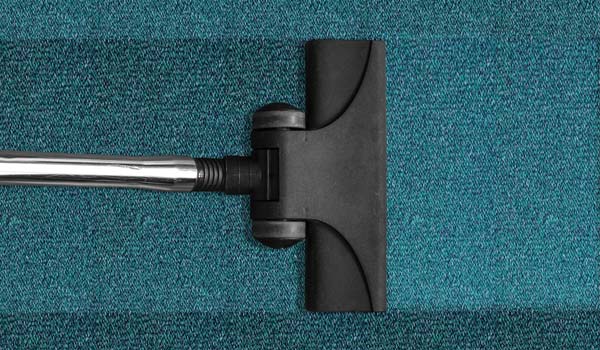
Sweep or vacuum with a soft brush (no rotary knocker). Dust and sand act as abrasives.
-
Wipe off fingerprints and small stains slightly moistened microfiber.
Weekly
-
Wipe off almost dry mop with pH neutral cleaner designed for wood (according to the surface manufacturer).
-
More often in the kitchen and courtyard - stress zones suffer the most.
Seasonally
-
To check felt pads on furniture, possibly replace.
-
Wash or replace doormats (captures sand and salt).
-
Revitalize the oiled surface maintenance oil (1-2 times a year depending on the workload).
3) How to clean properly (and what not to use)
Recommended
-
pH neutral products for wooden floors (no ammonia, no chlorine).
-
Minimum amount of water; mop must be just slightly moist.
-
For sticky stains first on point clean, then wipe the entire part.
Avoid
-
Steam and steam cleaners - they can damage the joints and the surface.
-
Excessive water - risk of swelling, lifting edges.
-
Universal/disinfectants with high alkalinity or solvent content.
-
Abrasive sponges and powders.
4) Indoor climate: humidity and temperature
Wood reacts to climate changes. It's ideal 40-55% relative humidity a 18-22 °C.
-
They will help in the heating season humidifiers and bowls of water on radiators.
-
Ventilate in summer, or dehumidify for a short time during long rains.
-
U floor heating raise the temperature gradually, avoid prolonged overheating (max. surface approx. 27-29 °C according to the manufacturer).
5) Protection from damage
-
Felt gliders under all furniture legs; for chairs with higher friction, use Teflon or felt clips.
-
Doormats at the entrances - they retain sand and salt (the biggest enemy of varnishes).
-
In the offices transparent pads under castor chairs (choose softer castors designed for wood).
-
Always when moving furniture to lift, do not pull.
6) Local repairs and abrasions
-
Light scratches in the paint: correction marker/varnish according to shade, then fine polishing.
-
Oil scratches: clean the place, re-oil lightly and let it harden (according to the instructions).
-
Dents: sometimes it helps to "steam" with a damp cloth over baking paper and a short press of the iron (careful! always test in a hidden place).
-
Joints: fill small cracks wood putty in the shade, re-sand and unify the surface.
Note: Local paint repairs will never be 100% invisible - for larger areas, it is more advantageous to apply an area intervention.
7) Resurfacing: when and how
Varnished parquet floors
-
"Refresh"" paint (re-sanding and a new top coat) is fine until it is worn down to the wood.
-
Full-fledged renovation: sanding down to raw wood and repainting (usually after 8-15 years depending on load).
Oiled parquet floors
-
Continuous oiling load zones (kitchen, corridors) 1-2 times a year.
-
With more wear surface regrinding and new oiling (interval dependent on traffic).
Do you need to evaluate the condition and suggest the right technology (sanding, sealing, varnish/oil, or brushing)? We'll make sure professional parquet renovation including advice on maintenance to maintain the appearance and durability of the floor for as long as possible.
8) The most common mistakes
-
Using too wet mop or steam cleaners.
-
Aggressive "universals" with high pH and solvents.
-
Missing felt pads and doormats.
-
In the long run low humidity in the heating season (cracks, joints).
-
Ignoring small abrasions - they subsequently expand and are more difficult to repair.
Quick maintenance checklist
-
Vacuum/clean dust with a fine brush, wipe weekly with an almost dry mop.
-
Use exclusively pH neutral means for wood.
-
To maintain 40-55% RH a 18-22 °C.
-
Felt mats, mats, protective mats under wheels.
-
Oil - regular renewal; varnish - a timely "refresh" before treading on wood.
Summary
The key to the long life of the parquet is gentle but regular cleaning, controlled indoor climate a timely restoration of the surface corresponding to the type of surface treatment. Thanks to the right habits and protection of stress areas, the parquet will be beautiful and durable for a long time. If the surface is already tired, we recommend a specialist parquet renovation with a guarantee of correctly selected technology and subsequent maintenance.