Cleaning up after painting: the complete guide from preparation to final shine
Author: EkoBIT team
A freshly painted apartment or house looks great - if the painting is followed by a good cleaning. But it doesn't start until after cleaning the brushes. You can do some of the work before painting, which will save you hours of nerves and dusting. Here is an easy-to-understand, proven step-by-step procedure, including tips for eco-friendly products and common mistakes to avoid.
1) Preparation before painting (saves you 50% of the work)
Move out and zone
-
Remove as much furniture as possible from the room. Pull the large pieces to the center and cover up impermeable foil.
-
Create a "clean zone" (e.g. kitchen or hallway) where people don't walk in messy shoes.
Cover and protection
-
Cover floors, windowsills and worktops cover film (thicker 80-100 μm), glue the joints and edges masking tape.
-
Sockets and switches stick on or remove the covers (turn off the circuit breaker).
-
Don't forget about doors and frames – the paint holds great on them, but they are difficult to clean.
Dust and ventilation
-
If you have plasterboard or are sanding putties, expect fine dust: prepare vacuum cleaner with HEPA filter and wet wipes.
-
Keep it short intensive ventilation (microventilation is not enough).
For a tip: Remove the tape before fully hardening paint (after approx. 1-2 hours after the last coating) at an angle of ~45°. You will prevent "tearing" of the edge.
2) Rough cleaning after painting (dry phase)
-
Remove and sort the cover: carefully roll the foils and cartons inwards so that dust does not spread around the area.
-
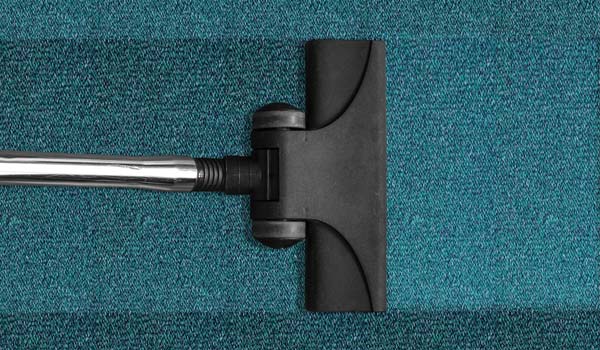
Sucks rough: first the corners, moldings, radiators, the upper edges of the cabinets, and then the floors. Use it HEPA.
-
Dry wiping: wipe the dust off the furniture and shelves dry microfiber (not with a wet cloth - it will make streaks and "mud").
-
Insect nets and blinds first vacuum with a soft brush.
The bug that hurts: Damp rag for drywall dust before you vacuum. The dust is spread into a paste and the work is doubled.
3) Gentle cleaning after painting (wet and detailed)
Windows, frames, window sills
-
Wash the glasses in lukewarm water with gentle detergent; use for drops of paint glass scraper with a sharp edge (always at a small angle).
-
Wash the PVC frames with a neutral cleaner; wood only lightly moisten and dry immediately.
Furniture and surfaces
-
Treat shiny surfaces antistatic spray (less dust will re-deposit).
-
Wash the kitchen line and worktops with a neutral cleaner; omit abrasives.
Floors by type
-
Vinyl/Lino/PVC: lukewarm water + neutral cleaner, well-wrung mop.
-
Paving: a slightly alkaline cleaner can be used; clean the joints with a brush.
-
Wood: minimum water, special preparation for wooden floors.
-
Carpets: first vacuum thoroughly; solve local stains with cold water and tamponing (not rubbing). For more pollution, consider extraction cleaning.
Switches, sockets, handles
-
Wipe gently with a damp cloth; micro-droplets and dust often stick around the switches.
4) How to remove paint drips and stains
-
Dispersive (water-based) paints: enough for fresh water; it will help with dryness lukewarm water + a drop of detergent + patience. The glass can be gently scratched.
-
Synthetic/alkyd paints: use citrus remover or a small amount technical gasoline – always try on first inconspicuous place.
-
Textiles and carpets: first carefully scrape mechanically, then tampon (from the outer edge to the center). Do not use hot water - it can set the stain.
Beware of chemistry: Strong solvents can etch paint, plastic and painted doors. The test is the basis.
5) Air and odors after painting
-
Short but intense draft ventilation several times a day.
-
Odor absorbers (activated carbon, baking soda in a bowl).
-
For sensitive people, consider air purification (HEPA + carbon filter).
6) Check-list: what to prepare
-
Covering film, cardboard, masking tape (multiple widths)
-
Microfiber cloths (for dry and wet cleaning), window squeegee
-
Vacuum cleaner with HEPA filter, attachment with brush
-
Neutral floor cleaner, mild detergent, antistatic spray
-
Glass scraper, sponges, buckets
-
PPE: gloves, protective glasses when scratching, non-slip shoes
7) The most common mistakes (and how to avoid them)
-
Neglected coverage → double the work. Cover generously, it doesn't pay to save.
-
Wet dusting first → mud and smears. Always first to suck.
-
The tape is torn off after hardening → frayed edges. Rip off when fresh.
-
Universal "strong" cleaner for everything → damage to surfaces. Choose preparations according to the material.
-
Too much water on the wood → swelling, spots. Minimum humidity, quick drying.
8) Cleaning schedule after painting (indicative)
-
0. day: last coating, after 1-2 hours remove the tapes, tear off part of the covering.
-
1st day: rough cleaning (vacuum, remove cover, dry wipe).
-
2nd day: gentle cleaning (windows, frames, doors, floors according to type).
-
3-7 day: continuous ventilation, light fine-tuning of details (spots, plinths).
9) FAQ – quick answers
When to start cleaning after painting?
Rough cleaning the same day after the last coating; gentle cleaning the next day, when the surface "weathers".
When to remove masking tape?
Ideally 1-2 hours after painting - the paint is still flexible and the edge remains clean.
How to dust plasterboard?
First of all HEPA vacuum cleaner, then a dry microfiber, and then a wet wipe.
Is it necessary to wash the windows?
Yes, dust and mist settle on them when painting. We recommend including i window and blind cleaning.
10) When to call in professionals
-
More extensive renovations, more rooms, carpets and upholstery with local stains.
-
High ceilings, hard to reach windows, need to finish quickly.
-
When you want gentle means and smudge-free result guarantee.
Want it worry-free?
EkoBIT provides ecological prefab house cleaning: coarse and fine cleaning, detailed cleaning of surfaces, window and blind cleaning, floor treatment and final fine-tuning of details. We will prepare you a non-binding offer and adapt to the deadline and scope of work.
Just write us a few details (square footage, number of rooms, type of floors) and we will suggest the optimal procedure and price.