How to properly clean a sofa: complete instructions for home cleaning and prevention
Author: EkoBIT team
Sedačka je nejčastěji využívaný kus nábytku v domácnosti - a zároveň místo, na kterém se nejrychleji podepisuje prach, mastnota, skvrny od jídla, nápojů i zvířecí chlupy. Correct seat cleaning but it doesn't have to be complicated. Důležité je zvolit vhodný postup podle materiálu, nepřemáčet a použít správný seat cleaner or upholstery cleaner.
V článku najdete postup krok za krokem, tipy na běžné skvrny, doporučení pro různé typy potahů a praktické FAQ.
Než začnete: ověřte materiál a proveďte test
Each substance reacts differently. Before you use seat cleaner, do a quick check:
-
check the manufacturer's label (often on the underside of the seat)
-
try the cleaner on a hidden spot (back side, bottom edge)
-
sledujte, zda nedochází k odbarvení, ztvrdnutí nebo mapám
Pokud si nejste jistí, raději zvolte šetrnější postup a menší množství vlhkosti.
What you will need to clean the seat
For domestic seat cleaning are most suitable for:
-
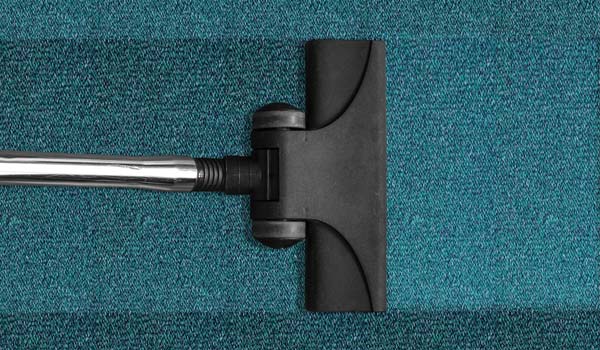
vacuum cleaner with upholstery nozzle
-
soft brush or soft sponge
-
microfiber cloths
-
lukewarm water
-
absorbent towels
-
atomizer (optional)
-
quality upholstery cleaner (or seat cleaner)
Step 1: Thorough vacuuming - the basis of success
Before you wet the seat, you need to remove dust and crumbs. Otherwise, dirt will start to spread when in contact with moisture, and the result will be spotty.
Procedure:
-
Remove the cushions and vacuum the areas under them.
-
Focus on seams, corners, joints and the space near the armrests.
-
A rubber brush or squeegee will help with hairs.
Step 2: Local spots first, then the whole area
The correct procedure is always:
-
spots and worst spots first
-
then complete cleaning
Important rule: do not rub aggressively. The stain can work deeper into the fibers.
Step 3: Choose the right cleaning method according to the condition of the seat
Dry cleaning (gentle, fast, suitable against maps)
Suitable if:
-
the seat is not extremely dirty
-
the fabric likes to map
-
you want minimal humidity
Procedure:
-
apply foam seat cleaner
-
leave to act according to the instructions
-
brush gently
-
wipe off the residue and let it dry
Wet cleaning (deeper for normal soiling)
Suitable if:
-
the seat is faded or "grey"
-
you deal with the smell and overall recovery
-
you want a better effect than just the surface
Procedure:
-
Apply seat cleaner on a cloth (or very gently with a sprayer).
-
Clean in smaller sections (approx. 30-40 cm).
-
Absorb excess moisture with a towel.
-
Continue smoothly to avoid maps.
Step 4: The most common mistakes that make maps
Maps and stains after cleaning occur most often for the following reasons:
-
too much water or solution
-
cleaning only "in the middle of the stain" without spreading to the surrounding area
-
inappropriate upholstery cleaner for the given material
-
long scrubbing of one spot
-
poor or slow drying
Which sofa cleaner to choose (and what to avoid)
A simple rule applies when choosing: rather a gentler preparation and repeat than one aggressive attempt.
Recommendations:
-
choose upholstery cleaner intended for textile surfaces
-
foam or a mild solution is ideal for common dirt
-
choose enzymatic preparations for odors (animals, urine).
-
always read the seat and cleaner manufacturer's instructions
Attention: universal degreasers and strong chemistry can create lighter spots or "roughen" the surface.
The most common stains on the sofa and how to clean them
Coffee, tea, wine
-
suction as quickly as possible, do not spread
-
gentle seat cleaner
-
clean in layers, preferably several times
Fat, food
-
remove residues, aspirate
-
foamy seat cleaner it is often safer than liquid
-
deep cleaning helps with older stains
Urine and odor (children, animals)
-
enzymatic agent (does not hide the smell, but breaks it down)
-
do not soak, dry quickly
Mud and dirt
-
let dry
-
to suck
-
only then clean
Drying after cleaning: it just won't be the same without it
Drying is often a crucial part of the whole process. If the seat remains damp for a long time, it may start to smell and the maps will appear later.
-
ventilate, make a draft
-
a fan aimed at the seat will help
-
do not sit on it until it is completely dry
-
dry pillows separately
How often to clean the seat
Roughly:
-
ordinary household: 1x every 3-6 months
-
household with children/animals: 1x every 2-3 months
-
regular vacuuming: ideally once a week
How to keep the sofa clean for as long as possible
-
regular vacuuming (mainly seams and corners)
-
throw on the most stressed areas
-
immediately address new stains
-
consider textile impregnation (for suitable materials)
When does professional deep cleaning pay off?
If the seat is significantly stained, stained, smells or stains return, home cleaning may no longer be enough. In such cases, deep machine cleaning and proper moisture extraction will help.
For an affordable solution, you can use services such as seat cleaning Brno or Prague seat cleaning.
FAQ: Cleaning the seat according to the material (frequently asked questions)
How to clean a microfiber or microfiber seat?
Both microplush and microfiber are sensitive to getting wet and like to map. It is recommended to:
-
vacuum thoroughly
-
use gentle seat cleaner rather foamy
-
clean small areas and extract moisture immediately
-
air dry quickly
How to clean a velvet sofa?
Velvet (velor) is very sensitive to pressure and water:
-
use minimum humidity
-
ideally foam or dry cleaning
-
brush only soft and in the direction of the hair
-
a hidden spot test is a must
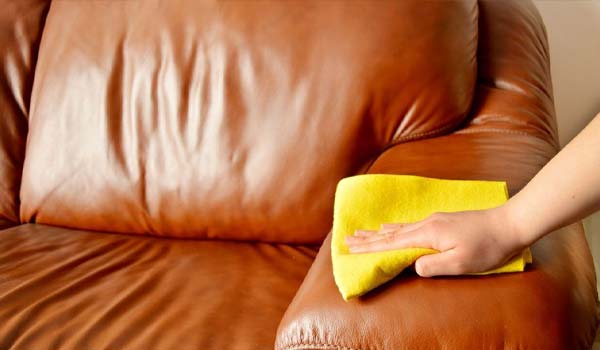
How to clean a leather sofa?
Classic does not apply to leather seat cleaning textile cleaner.
-
use special products for the skin (cleanser + subsequent nutrition)
-
never use aggressive degreasers
-
do not soak - the leather may crack or harden
How to clean an eco-leather seat?
Eco leather cannot tolerate alcohol and strong chemicals.
-
lukewarm water + a gentle cleanser designed for eco-leather is enough
-
wipe gently and dry immediately
-
do not use rough sponges
How to clean alcantara or similar "suede" materials?
Alcantara is susceptible to maps and restructure:
-
minimum moisture, fine upholstery cleaner
-
clean very gently, without pressure
-
brush gently after cleaning
How to clean bouclé (loop fabric) or coarser fabrics?
Bouclé hides crumbs and dust well:
-
vacuuming is essential (even several times)
-
foam is ideal seat cleaner
-
brush only gently so as not to pull the loop
What if a stain or map remains after cleaning?
The most common cause is uneven wetting. It helps:
-
unify the surface with a very slightly damp cloth (do not overwet)
-
absorb with a towel
-
dry quickly with a fan
How to know that it is better to call professionals?
If:
-
the stains are old and "bitten"
-
the seat smells even after cleaning
-
maps are created repeatedly
-
the seat is deeply soiled
Then the professional procedure is the surest.