How about dewy windows? Practical instructions for households and apartment buildings
Author: EkoBIT team
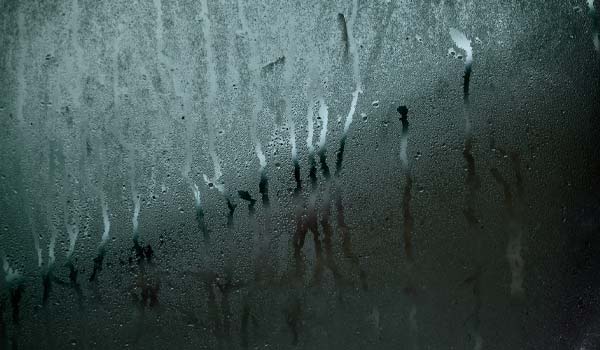
Misty (foggy) windows are not just an aesthetic problem. Long-term condensation of water on the glass and frame leads to mold, poorer air quality and shortens the lifespan of window structures. Below you will find an overview of causes and functional solutions - from quick interventions to long-term measures.
Why do the windows get dewy?
Dew occurs when warm, moist indoor air hits the cool surface of the glass. As soon as the temperature of the glass drops below dew point, the water vapor condenses to form droplets. Three main factors:
-
High relative humidity indoors (cooking, showering, drying clothes, lots of flowers).
-
Low surface temperature of the glass (cold frame zones, older glazing, thermal bridges).
-
Insufficient ventilation or incorrect heating mode.
Quick steps to take now
-
Regular short ventilation (3-5 minutes with a draft several times a day), ideally after cooking and showering.
-
Moisture drying: after the shower, wipe the tiles and glass with a squeegee, turn on the extractor fan in the kitchen.
-
Stable, moderate heating rooms where condensation forms (sudden cooling of walls and glass worsens dew).
-
Radiator release and convection: move the curtains and furniture away from the zones under the windows to allow heat to flow to the glazing.
-
Changing the shielding mode: do not leave blinds/blinds completely closed for a long time - they limit the flow of warm air near the glass.
Long-term measures (greatest effect)
1) Ventilation and humidity control
-
Control hygrometer (aim for 40-55% RH in heating season).
-
Aero/climate intakes or micro ventilation - they will help, but must not replace regular ventilation.
-
Reliable extraction in the bathroom and kitchen, ideally with an overrun or humidity sensor.
-
Dehumidifier to problem rooms if ventilation is insufficient.
2) Improvement of thermal window technology
-
Adjustment and sealing: leaks reduce the surface temperature of the glass edge.
-
Warm edge for insulating glazing, it reduces dew at the edges.
-
Transition to better glazing (double glazing → triple glazing) and solutions thermal bridges in lining, parapet and connecting joint.
3) Adjusting the regime in the home
-
Drying clothes outside living rooms or with dehumidification and ventilation.
-
Cooking with a lid and with the fume hood switched on.
-
Reasonable amount of plants and aquariums in small rooms.
How to tell if a problem is "systemic"
-
Water is formed even between the plastic spacer frame and the frame or in the corners, possibly on the frames - often a thermal bridge problem.
-
Condensation inside the insulating glass (between the boards) means glazing failure - replacement required.
-
Long-term moisture of the frame and lining leads to mold - it is necessary to combine ventilation, heating and construction interventions.
The most common mistakes
-
All-day micro-ventilation instead of short intensive ventilation (unnecessary cooling and higher costs).
-
Radiator shading curtain or furniture - the glass is then cold and dewy.
-
Blinds fully drawn overnight without heat/ventilation compensation.
-
"Turning off the heat" in the problem room - cools the structure, moisture will condense faster.
Control checklist
-
After showering and cooking, ventilate with a draft for 3-5 minutes, turn on the exhaust fan in the bathroom.
-
Maintain 40-55% relative humidity (hygrometer).
-
Ensure free flow of heat to the windows (no obstacles).
-
Check window adjustment and seal condition.
-
For problem rooms, consider a dehumidifier or glazing treatment.
Management of houses and glazed areas at height
They also play a role in apartment buildings and administration extensive glazed areas a high altitude zones, where condensation is more pronounced (greater heat loss, less natural air flow). Regular maintenance and professional washing of the glazing helps to detect sealing failures, connection joint leaks and emerging mold in the lining in time. We will be happy to help with this - we will ensure it professional washing of windows and glass walls at heights even in hard-to-reach places within the service window cleaning.
Bonus: The clean surface of the glass allows more solar gain and dries faster; less clinging dirt reduces micro-retention of moisture.
Summary
Combinations solve dewy windows proper ventilation, reasonable heating, humidity control a improvement of thermal window technology (sealing, spacer frame, glazing). In apartments with persistent condensation, we recommend diagnosing thermal bridges and checking exhausts. For regular maintenance and safe height washing of windows and glass walls use our service window cleaning.