How to get rid of bed bugs: a complete and proven procedure
Author: EkoBIT team
Bed bugs (Cimex lectularius) is one of the most resistant household pests. They are not a sign of clutter - they often find their way into luggage, clothes or second-hand furniture. Success depends on a quick and systematic procedure and a combination of several methods.
What does a bed bug look like?
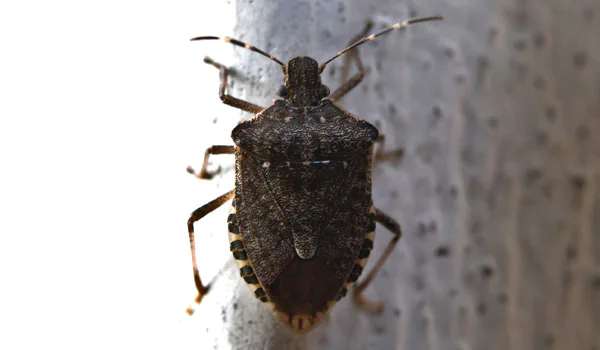
Bed bugs is a small, flat, oval-shaped insect that can hide perfectly in crevices, mattress seams or behind slats. An adult bed bug measures approx 4-7 mm, has brown to rusty color and her body is flattened - but after sucking blood visibly swollen, darkens and is more "round". A bug has no wings it does not fly or jump, moves quickly across the surface. Often people only notice her by the tracks: they can be small black dots (poop), undies (translucent “husks”) or small whitish eggs hidden in the joints.
How to recognize an occurrence
-
Stipe in the ranks (often 2-3 next to each other) typical bed bug bite tends to be in clusters or "line" and itches mainly in the morning.
-
Dark dots (excrement) on the bed sheet, the grid and at the seams of the mattress.
-
Bright undercoats of nymphs (bug larvae) - small translucent "shells" and small eggs (approx. 1 mm).
-
Weak sweet smell near shelters.
-
Activity mostly at night, during the day the bed bugs hide in slits (bed, slats, door frames, drawers).
Recommendation: at the first suspicion, it is advisable to start measures immediately and arrange professional intervention.
Immediate measures (day 0-1)
-
Bedroom insulation - limit carrying textiles, keep doors closed, do not move furniture.
-
Heat treatment of textiles - Wash at a minimum of 60°C and dry on a hot cycle. What cannot be washed: freeze at -18°C for at least 72 hours (in a sealed bag).
-
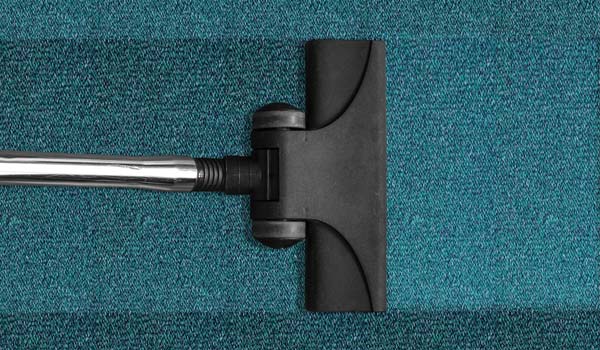
Thorough vacuuming mattress (especially seams), grid, floor joints and slats; throw away the bag immediately.
-
Clutter reduction - store small items in resealable bags/boxes.
-
Monitoring traps around the bed and at the foot of the bed to confirm occurrence and follow-up.
Thorough inspection (day 1-2)
-
Control seams of the mattress, bed frame, bed structure, backs of pictures, slats and drawers (switch off the circuit breaker first).
-
Marking of found "hotspots" (tape, marker) for targeted intervention.
Disposal methods: what works
1) Heat (highly effective)
-
Steam cleaner (≥ 100 °C) on seams, corners and joints with a slow stroke so that the heat penetrates into the shelters.
-
Professional thermal disposal (heating the room to ~55-60 °C) eliminates all stages at once.
2) Targeted chemistry (effective with repetition)
-
Insecticides specified directly on the bed bugs applied targeted to the shelters (not all over the bed).
-
Repeat after 10-14 days due to newly hatched nymphs.
-
Compliance safety instructions and combinations with residual preparations for a longer effect.
3) Mechanical and preventive elements
-
Protective covers for mattresses (certified against bedbugs) - prevent new shelters and close the rest of the population.
-
Interceptors/smooth bowls under the feet of the bed - they make it difficult to climb over and enable monitoring.
Various "home repellants" (e.g. essential oils) may slightly reduce activity but infestation does not solve.
Recommended Plan (Day 2-30)
-
Steam treatment + targeted chemistry to marked hotspots.
-
Zone insulation of the bed - move the bed away from the wall, bed linen must not hang to the floor.
-
Continuous monitoring traps (record the date, number and location of the find weekly).
-
Repeated hit after 10-14 days (chemical/steam cleaner) - key to break the cycle.
-
Regular cleaning joints and floors around the bed.
-
No finding after 30 days the situation can be considered under control; monitoring continues for another month.
What repels bed bugs
Unlike mosquitoes, bed bugs cannot be reliably "repelled" by one universal remedy. If they have a chance to reach a food source, some scents will only temporarily slow or redirect them. Therefore, it makes sense mainly to combine several measures that make it difficult for them to move, reduce the number of shelters and limit their return.
-
Heat and steam - bed bugs do not like high temperatures, so steam treatment of mattress seams, joints and corners helps (in addition, heat also kills bed bugs when used correctly).
-
Cold (freezing of textiles) - for things that cannot be washed, freezing for a long time in a closed bag can help.
-
Mechanical barriers - certified mattress covers and smooth bowls (interceptors) under the legs of the bed significantly limit their movement and at the same time serve to control their occurrence.
-
Shelter restrictions - sealing of joints, moldings and small cracks (acrylic/silicone) and reducing clutter in the bedroom takes away the places where bed bugs hide.
-
Strong fragrances (only as a supplement) - some essential oils (e.g. lavender, tea tree, mint) can slightly reduce the activity, but they do not solve the infestation by themselves and often do not affect hidden places or eggs.
When to call in the professionals
-
Findings in more rooms or in apartment building (risk of spreading through risers).
-
Repeated pinches even after two targeted interventions.
-
Accommodation facilities, subleases or sensitive operations.
A specialist company will choose a combination of heat and certified chemistry, which tends to be faster and cheaper in the long term than repeated attempts at home.
Common areas and apartment buildings
It is essential in multi-apartment buildings coordination of progress (ideally through the administrator/SVJ). Regular professional cleaning of common areas with an emphasis on pest prevention, reduces the risk of introduction and speeds up the management of the situation. Our team will help with organization, setting the regime and communication with tenants apartment building cleaning.
Prevention for the future
-
Traveling: keep the suitcase away from the bed, check the seams of the mattress when checking in; wash clothes immediately after returning.
-
Second hand furniture: before bringing it into the apartment look carefully and ideally treat with steam as a preventive measure.
-
Joint sealing for moldings, sockets and pipe penetrations (silicone/acrylic).
-
Minimizing shelters around the bedroom (lockable boxes instead of loose items).
The most common mistakes
-
Moving the bed to another room (risk of transmission).
-
Wide application preparations for the mattress on which to sleep.
-
One-off intervention without repetition - the eggs survive.
-
Ignoring common areas in apartment buildings.
Control checklist
-
Všechny textilie z ložnice vyprat/sušit horkem nebo zmrazit.
-
Důkladně vysát a bezpečně zlikvidovat sáček.
-
Mark hotspots, deploy monitoring traps.
-
Perform heat + targeted chemistry.
-
Repeat intervention after 10-14 days.
-
Monitor min. 30 days without finding.
Summary
Successful bed bug removal requires kombinaci tepla, cílené chemie, mechanických bariér a opakování zásahů, ideally with professional guidance. It is key in apartment buildings koordinace a preventivní péče o společné prostory - with which we will be happy to help as part of the service apartment building cleaning.