How to rid the household of pet hair? A practical step-by-step guide
Author: EkoBIT team
Dog and cat hair sticks everywhere: on the sofa, carpet, in the washing machine and in the air. The reason is simple - fine hair structure, electrostatics and daily movement in the apartment. Good news? With a well-thought-out system and the right tools, their occurrence can be kept under control. Below you will find best practices on how to do it - quickly, safely and for the long term.
Quick plan for every day (10 minutes)
-
Speed through the busiest zones (hallway, sofa, bed) with a hand-held vacuum cleaner with a turbo brush.
-
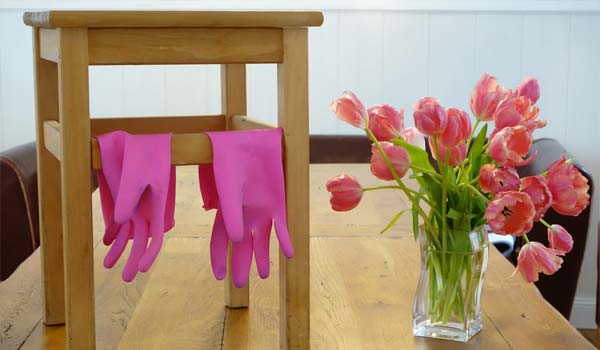
Rubbing the fabric with a rubber glove (moisten slightly) or with a sticky roller.
-
Wiping hard floors with microfiber dry (do not press - do not unnecessarily stir up dust).
Tip: Think "top to bottom" - surfaces and textiles first, then the floor.
Tools that really work
-
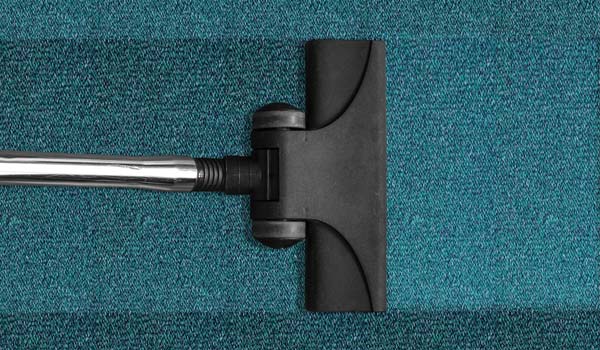
Vacuum cleaner with HEPA filter and turbo brush
The turbo brush loosens the hair from the fibers, the HEPA traps fine dust and allergens so they don't return to the air. -
Rubber squeegee / rubber brush
It works wonders on carpets and upholstery: the rubber edge "pulls" the hairs into clumps that you can easily vacuum. -
Microfiber towels
For hard surfaces (chests, slats, shelves). Do not press and do not clean with "wet dust" - a gentle wipe is enough. -
Rubber gloves & sticky rollers
Quick rescue for clothes and sofas before leaving the house or when a visitor arrives. -
Dryer & anti-static wipes
A short "cold" spin of the textiles before washing will loosen the hairs that get caught in the filter. -
Antistatic sprayer (pet-safe)
Lightly treated textiles are less likely to attract hair. Use sparingly and only products suitable for textiles and pets. -
Air purifier with HEPA
Reduces airborne hair and fine dust - great for rooms where animals like to play.
Procedures by surface
Seats, armchairs, textile chairs
-
First of all remove the hairs with a rubber squeegee or gloves (short strokes in one direction).
-
After that vacuum with a turbo brush - slowly, crosswise (vertically and horizontally).
-
Eventually gentle microfibre cleaning.
-
Removable covers: spin briefly in the dryer "on cold" → wash → spin briefly again, clean the filter.
Carpets and treads
-
Rubber spatula - download visible tufts.
-
Deep vacuuming with slow strokes and with a turbo brush.
-
Regular change of vacuuming direction (cross) will increase efficiency.
-
Less often: wet cleaning according to the manufacturer's recommendations (pay attention to the material and color fastness).
Hard floors (wood, vinyl, tile)
-
Dry microfiber or an electrostatic cloth - collects hair in piles without swirling.
-
Suck it up.
-
Wipe with a slightly damp mop (do not overwet - the hairs will just stick and stretch).
Curtains, bedspreads, bed linen
-
Before washing spin briefly in the dryer without heat, clean the filter, only then wash.
-
For thick fabrics, consider protective coatings, which can be washed more often than the entire cover.
Clothes
-
Roller to the hall and bedroom.
-
Separate washing cycle for things "from the hair" and regular washing machine and dryer filter maintenance.
Prevention: less hair in circulation
-
Regular care of the coat (brushing according to coat type). Consider consulting a veterinarian if shedding suddenly increases.
-
Washable beds and blankets, ideally with a densely woven surface.
-
Zoning: covers on the seat, washable mat in the place where the animal rests.
-
Humidity 45-55% - less static, less "stuck" hairs.
-
Air purifier with HEPA in the living room or bedroom.
Common mistakes that cost time and nerves
-
Wet wiping as the first step - the hairs stick and stretch.
-
A quick "fly over" with a vacuum cleaner without a turbo brush - the hairs will remain between the fibers.
-
Mixing detergents (e.g. chlorine + acid) - dangerous! Always follow the manufacturer's instructions.
-
Neglected filters (vacuum cleaner, dryer, air purifier) - performance and hygiene decrease.
Weekly routine (effective and sustainable)
-
Daily (10 min): hotspots - sofa, bed, hall.
-
2x a week: carpets and upholstered furniture honestly with a turbo brush.
-
1x per week: wash bedspreads/covers, clean filters (vacuum cleaner, dryer).
-
1x per month: more in-depth cleaning of carpets and textiles according to the material.
When to turn to the professionals
If you have allergies, a larger number of animals, or you have not done a deep cleaning for a long time, a professional technique (extraction, steam cleaning, brush machines) can set a "clean starting line". by the way when cleaning offices, we often come across hair from dogs and cats, which people bring on their clothes - that's why we recommend regular vacuuming with HEPA and occasional deep cleaning of textiles even in commercial spaces. See how we approach it at office cleaning.
FAQ
What is the fastest "pre-visit" way?
Roller for clothes, rubber glove for the seat, manual vacuum cleaner with a turbo brush for the seat - 5-7 minutes.
Will a robotic vacuum cleaner help?
Yes, like supplement daily maintenance. However, a classic vacuum cleaner with a turbo brush still leads to the hairs in the carpets.
How about hair in the washing machine and dryer?
Spin the fabric briefly "on cold" in the dryer before washing, clean the filter after each cycle. Clean the seal and pump filter regularly in the washing machine.
Summary
Success depends on the combination the right tools (HEPA, turbo brush, microfiber, rubber), correct order (first pull the hairs, then vacuum, finally wet cleaning) a small daily habits. This will keep the household visibly cleaner, even with animal companions. If you want to win over hair even at work, take a look at our approach to office cleaning - we solve the same challenges, only on a larger scale.