How to get rid of cobwebs: a practical guide to a clean home
Author: EkoBIT team
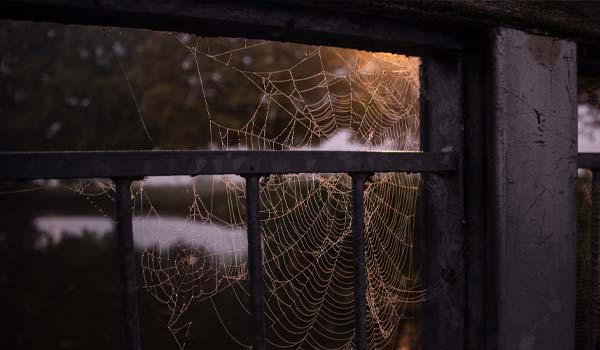
Cobwebs in the corners of rooms, around the chandelier or in the hallway give a neglected impression, even though the household may otherwise be relatively tidy. Spiders are useful insect hunters, but most of us don't want to see them in our homes - especially when the cobwebs start to pile up. In this article, we will look at how to effectively remove cobwebs, how to prevent them and when it makes sense to call in professionals.
Where spider webs most often appear
Spiders choose quiet places where there is a minimum of noise and plenty of food (insects). This is why you most often find cobwebs:
-
in the corners of rooms (at the ceiling and at the floor),
-
around windows and cornices,
-
by the chandelier and lights in the ceiling,
-
in corridors, basements and attics,
-
in the corners of staircases and common areas of apartment buildings.
It is in common areas, where different temperatures alternate and there is frequent ventilation, that spiders have ideal conditions and webs form here very quickly.
What tools to prepare
You won't need anything complicated to remove cobwebs, but the right equipment will make the job much easier:
-
telescopic duster or broom with soft bristles,
-
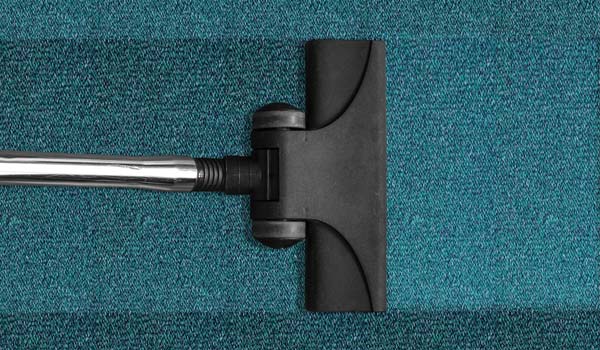
a vacuum cleaner with an attachment (ideally with a brush),
-
microfiber cloth,
-
gentle cleaning agent for washable surfaces (at the end),
-
possibly stepladders or stable steps to higher places.
With high ceilings or staircases in apartment buildings, sometimes you cannot do without a telescopic pole or professional height equipment.
How to properly remove cobwebs - step by step
1. Start from the top down
When fighting cobwebs, a simple rule applies: always clean from the ceiling downwards. If you first wipe the furniture and then the cobwebs on the ceiling, the dust from them will fall back onto the already cleaned surfaces.
-
Go through all the corners of the room near the ceiling.
-
Check around the chandelier, lights and curtain rods.
-
Finally, focus on the bottom corners, moldings and around the furniture.
2. Telescopic duster or vacuum cleaner?
You have two basic options:
-
Dustpan / broom:
You sweep away the cobwebs, they will remain caught in the bristles. The advantage is speed, the disadvantage can be dust swirling if you do not use the tool carefully. -
Vacuum cleaner with attachment:
A very effective option, where cobwebs and dust immediately disappear into the bag. Carefully adjust the power so as not to damage the plaster or painting. For more sensitive surfaces, use the brush attachment.
3. Surface cleaning
After removing the cobwebs, we recommend:
-
use a microfiber cloth to wipe the trim, moldings and window frames,
-
use a mild detergent on washable surfaces (plastic, lacquered wood),
-
also check the upper surfaces of the cabinets, where dust often sticks and where spiders like to retreat.
Prevention: how to reduce the formation of cobwebs
It is practically impossible to completely prevent spiders from appearing. But you can significantly reduce the amount of cobwebs:
-
Regular ventilation and cleaning
Regular ventilation and vacuuming reduces the amount of insects that are food for spiders. Fewer insects = less motivation for spiders to settle in your house. -
Reducing clutter and “hiding places”
Piles of things, boxes, old furniture in the basement or in the hallway are ideal hiding places. The clearer and cleaner the spaces, the worse spiders do. -
Check curtains, curtains and corners regularly
For routine cleaning, just look up once in a while - a short sweep of the corners takes a minute, but prevents the cobwebs from building up and being visible at first glance.
Cobwebs in common areas of apartment buildings
Corridors, staircases, basements and floors of apartment buildings are often the most susceptible places. Cobwebs build up quickly here, and if not cleaned regularly, visitors can get the impression that the house is neglected.
A properly set cleaning schedule should include:
-
regular sweeping of cobwebs on all floors and ceilings,
-
inspection of cellars and attics,
-
cleaning around windows, doors and entrance areas.
If you don't want the residents of the house to have to take care of the cobwebs themselves, this is the easiest way entrust the cleaning of common areas to a professional company. This will ensure regular removal of cobwebs and regular cleaning according to the agreed schedule. You can find more information in our service apartment building cleaning.
When does it make sense to call in the professionals?
Professional cleaning is especially worthwhile when:
-
cobwebs form in large and hard-to-reach areas (stairs, halls, high ceilings),
-
there is no one in the house who has the time or inclination to sweep the cobwebs regularly,
-
you need a representative appearance (for example in apartment buildings, offices or boarding houses),
-
you want to be sure that cleaning is done systematically and at regular intervals.
Professional workers have suitable tools, experience and often better access to height technology, thanks to which they can safely reach even hard-to-reach places.
Summary
Cobwebs appear sooner or later in every household or house. It is important not to let them grow over your head. Regular sweeping of corners, use of a telescopic duster or vacuum cleaner and continuous inspection of problem areas will ensure that your home or apartment building appears clean and well maintained.
If you don't want to deal with cobwebs all by yourself, the ideal solution is to arrange regular professional cleaning, including the systematic removal of cobwebs in all areas.