Cleaning after winter - salt, mud and clean floors
Author: EkoBIT team
Cleaning after winter: salt, mud and grime - how to restore a clean appearance to floors and spaces
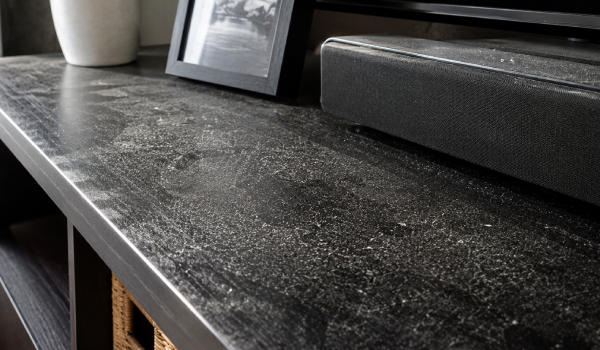
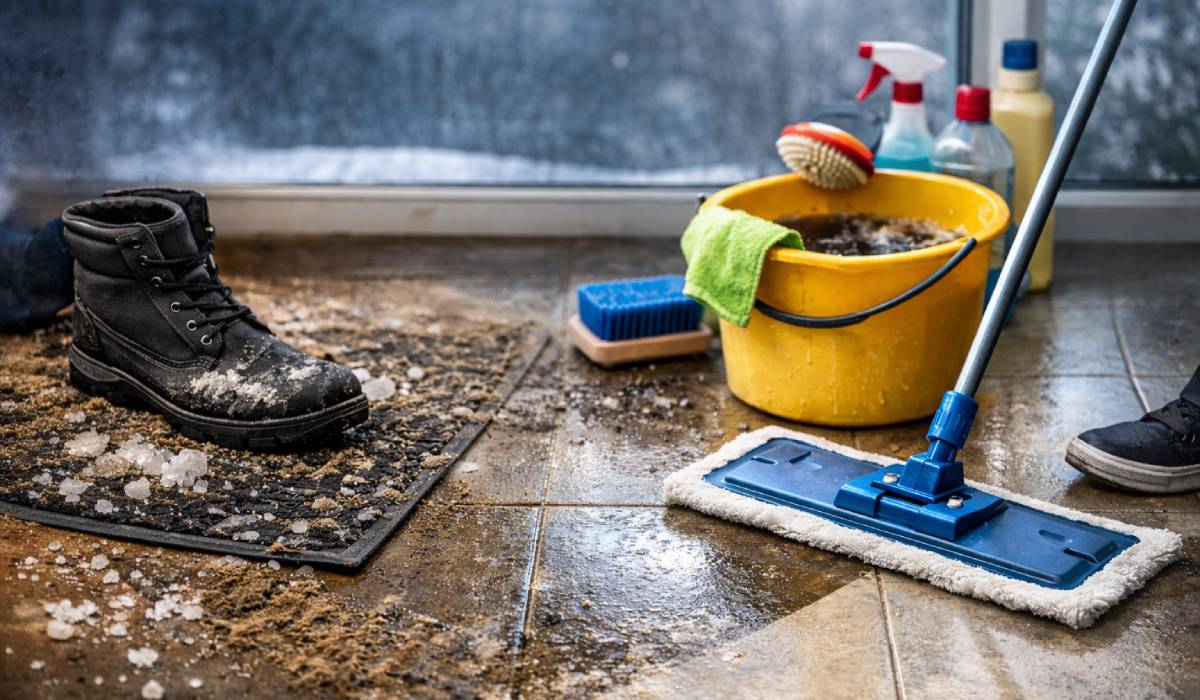
Winter can take up more of the interior than it seems at first glance. Residues of road salt, fine sand, mud from shoes, wet footprints and grease from entry zones gradually settle in floors, joints and surfaces. The result is a worn look, smudges and sometimes damage to materials - mainly vinyl, PVC, paving or wood.
Cleaning up after winter is not just a "bigger sweep". It is a targeted removal of deposits that are often only smeared by ordinary wiping. The good news is that with a clear procedure, the space can be quickly returned to form - and for more demanding surfaces, a one-off deep cleaning is worthwhile.
What remains most often after winter
-
Sprinkle salt - makes white maps, can disturb surfaces and increases slipperiness.
-
Sand and small stones - they act as an abrasive, destroying protective layers and making micro-scratches.
-
Mud and wet tracks - they leave smudges, they last a long time in corners and near plinths.
-
Settled dust - in winter it tends to be higher due to ventilation and more frequent traffic.
-
Entry zone - the biggest burden, often the most underestimated part.
Entrances, corridors and kitchens suffer the most
Typically, these are the places where you most often walk in shoes, where it is warm and humid, and where the surface alternates (tile - mat - vinyl). If the salt and sand are not removed in time, the dirt starts to "eat" and normal wiping is no longer enough.
Step-by-step cleaning procedure after winter
1) Dry cleaning is the basis
First of all, you need to get rid of sand and dust, otherwise they will just smear into smears when wiping and the surface can be scratched.
-
vacuum (ideally with a suitable nozzle for hard floors)
-
sweep into corners and along plinths
-
don't forget the mats and their surroundings
2) Removal of salt maps and "winter movie"
The salt often shows up as white maps only after it dries.
-
use a cleaning agent suitable for the type of floor
-
do not apply an unnecessarily concentrated chemical - it can leave a sticky film
-
for durable maps, repeated washing in a smaller area will help, ideally with clean water for final wiping
3) Wet cleaning - correct technique
Smudges are often not caused by dirt, but by the wrong procedure.
-
change the water more often (especially in the entry zones)
-
use a quality mop and a clean cover
-
do not make "one water for the whole space" - the effect is exactly the opposite
4) Joints, corners, plinths and hard-to-reach places
That's where the most dirt sticks, but it's usually left out.
-
wipe the corners and plinths by hand
-
use a brush or a suitable attachment for paving and joints
-
in offices, don't forget the places under tables and around chairs
5) Final inspection - and prevention for next winter
After a one-off cleaning, it makes sense to set a mode that prevents the dirt from returning quickly.
-
quality mat (coarse on the outside - softer on the inside)
-
regular vacuuming of the entrance
-
one-off deep cleaning 1-2 times a year depending on operation
When does professional cleaning pay off?
For some surfaces or with greater loads, home equipment is no longer enough. Professional cleaning pays off when:
-
there are significant salt maps and smears on the floor that do not go down
-
the surface is worn and looks "tired"
-
it concerns larger areas (offices, corridors, entrances)
-
you need machine cleaning, deep degreasing or surface revitalization
-
you want a quick result without the risk of damage
In addition, professional machine cleaning often removes dirt from the structure of the surface and joints, where you cannot reach with a regular mop.
If you need to get the space in order quickly and don't want to deal with the tedious scrubbing of salt maps and entry zones, check out our service cleaning Prague.
The most common mistakes when cleaning after winter
-
wiping without prior vacuuming (sand will scratch the surface)
-
too concentrated chemistry (a film remains, dust sticks to it)
-
infrequent water changes (smudges and "spread" dirt)
-
universal agent for all floors (it works in some places, it is harmful in others)
Summary
Cleaning after winter is best done as a one-off restart - mainly in the entrance zones and on the floors. You will remove salt, deposits of mud and dust, improve the appearance of the space and extend the life of the surfaces. And if the dirt is stubborn or larger areas are involved, professional deep cleaning is often faster, safer and, as a result, more profitable.