Urban dust at home: where it comes from and why it returns so quickly
Author: EkoBIT team
Dust in the home is not just a sign that it has not been cleaned for a long time. It often returns much faster in the city than in smaller towns or the countryside. Just open the window, walk around the apartment in shoes, air out after a busy day or leave the window sills untouched for a few days - and the soft gray layer is back.
In Prague and other big cities, dust is a common part of everyday life. It enters the home from outside, originates inside and often settles in places that you don't even notice at first glance. Therefore, regular cleaning is not only a matter of appearance, but also comfort, hygiene and the quality of the environment in which you spend time.
What actually makes up dust in the home?
Household dust is a mixture of many small particles. It is not just "dirt", but a combination of textile fibers, particles of skin, hair, pollen, soot, soil residues, street dust, small particles from cooking, pet hair and other impurities.
In the urban environment, dust from traffic, buildings, pavements, roads and surrounding traffic is added to this. Therefore, dust can appear faster in apartments near busier streets than in homes further from main roads.
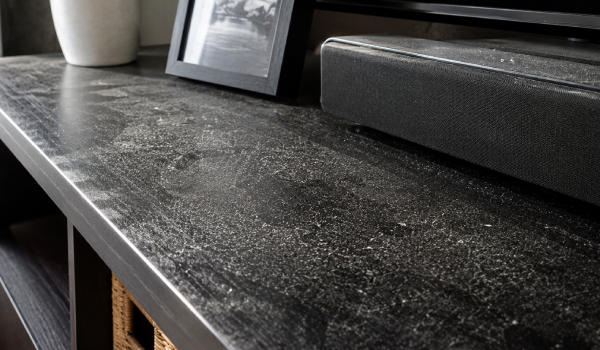
It is most noticeable on windowsills, floors, furniture, electronics, shelves, blinds and dark surfaces. It is there that fine particles easily settle and form a visible film.
Why does dust return so quickly in the city?
Urban dust has several main sources. Some enters the household from the outside, some originates directly inside the apartment or office. That's why it's not enough just to wipe the shelves once in a while. If the places where the dust is held and from where it swirls again are not addressed, it returns very quickly.
1. Ventilation from the street
Ventilation is important, but in the city it brings with it a disadvantage. When the windows are open, small particles from the outside environment get inside. This is most noticeable in apartments on lower floors, near busy roads, tram lines or in places where construction activity is taking place.
Dust often settles right around windows, on windowsills, curtains, blinds and floors near windows.
2. Transport and movement of people
There is a higher concentration of cars, buses, trams, supplies and pedestrians in the city. Dust is lifted from roads and pavements, gets caught on shoes, clothes or bags and then gets into the home.
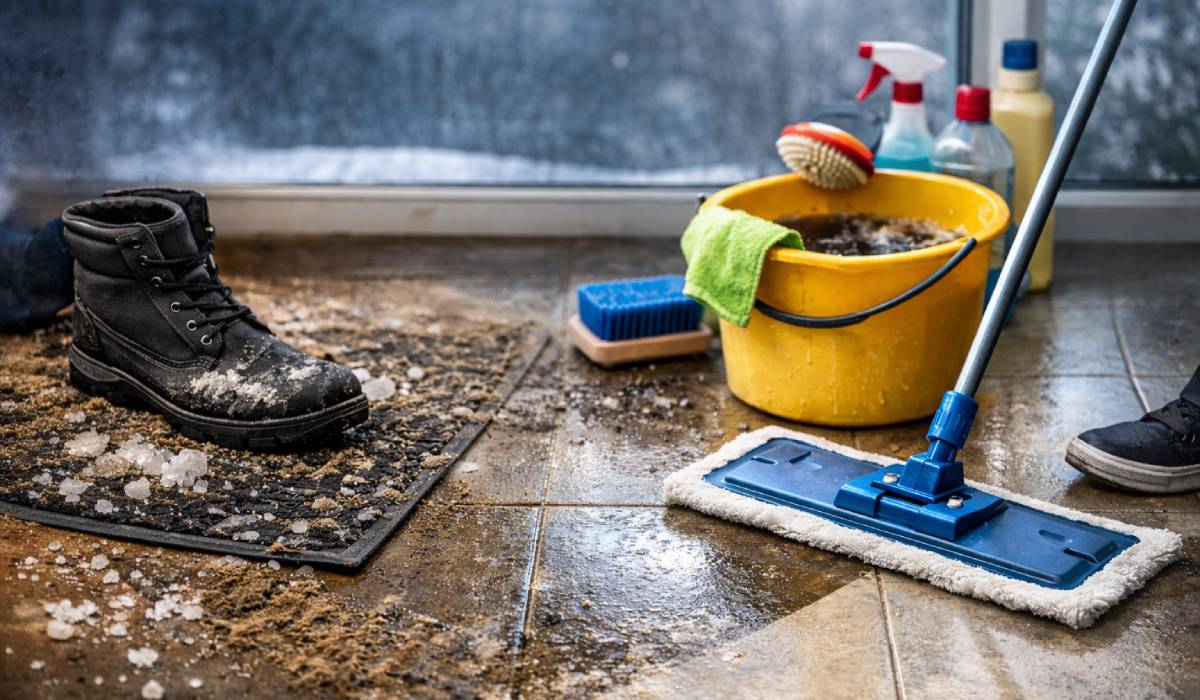
It also makes a big difference whether you take off your shoes at the door. Shoes bring dust, sand, small stones, pollen and other dirt into the apartment, which is then easily carried farther from the hallway.
3. Textiles in the home
Carpets, curtains, blankets, pillows, upholstered furniture and mattresses not only trap dust, but can re-release it into the space when moving. This is why the apartment sometimes seems to be dusty shortly after cleaning.
If you only focus on the visible surfaces during cleaning, but the textiles are left without regular care, the dust will constantly return.
4. Dry air
Dust swirls more easily in a dry environment. It is typical especially in the heating season, but also in well-insulated apartments with lower air humidity. The dust then stays in the air longer and settles on furniture, electronics and the floor.
Regular ventilation, maintaining appropriate humidity and thorough cleaning using a method that does not stir up the dust but actually removes it can help.
5. Electronics and static electricity
Televisions, monitors, computers, speakers and other electronics attract dust. This is why it often happens that even in an otherwise tidy room, screens and the surroundings of electronics quickly become dusty.
When cleaning them, it is important to use suitable soft cloths and procedures that do not damage the surface and at the same time do not spread dust around the room.
Where does the dust stick the most at home?
City dust doesn't just settle where it can be seen. They often accumulate in places that are missed during regular cleaning. The most common include:
- upper parts of cabinets and shelves
- window sills and frames
- blinds and blinds
- space under the bed and under furniture
- the back of televisions and monitors
- moldings, switches and door frames
- heating and around radiators
- textiles, carpets and upholstery
- corners of rooms
- vestibule and the area around the entrance door
These places are the reason why dust quickly reappears after regular cleaning. At first glance, the apartment may be clean, but hidden layers of dust are re-introduced into the air when moving, ventilating or vacuuming.
How to remove dust correctly?
When cleaning dust, it is important to proceed in such a way that dirt does not just move from one place to another. A common mistake is to dry dust with an ordinary duster, which only stirs up the particles. The result then lasts for a very short time.
It is better to use slightly moistened microfiber cloths, a vacuum cleaner with high-quality filtration and proceed from the upper parts of the room downwards. Higher surfaces, shelves, lamps, windowsills and furniture are cleaned first, and then the floors.
It is also important to regularly wash textiles, clean curtains, vacuum upholstered furniture and do not forget the places under the furniture. That's where the dust often stays the longest.
Will ecological cleaning help?
Yes, ecological cleaning can be a very suitable choice, especially if you do not want to unnecessarily burden the household with aggressive chemicals. Dust in itself is not a problem that requires strong cleaning agents. Much more important is proper technique, regularity and consistency.
Eco-friendly cleaning products are especially suitable for households with children, pets, allergy sufferers or people more sensitive to strong smells and chemical products. When used correctly, they can help keep the home clean, pleasant and more environmentally friendly.
How often to clean so that dust does not accumulate?
The frequency of cleaning depends on where you live, how many people use the household, whether you have animals, carpets, small children or windows facing a busy street. In general, however, smaller but regular cleaning is better in the city than a one-off big catch-up after a few weeks.
In households in Prague, it is worth paying attention mainly to the hall, kitchen, bathroom, bedroom and places near the windows. If the dust returns quickly, regular professional cleaning can also help, focusing not only on visible surfaces, but also on less accessible places.
This is where they make sensecleaning services in Prague, which will help keep the household clean even in an environment where dust appears more quickly due to traffic, ventilation and city traffic.
What can you do today?
Start with the simple things. Vacuuming at the door, regularly cleaning the hall, wiping window sills, washing textiles and thorough vacuuming can significantly reduce the amount of dust. It will also help to ventilate briefly and intensively, instead of a long open window facing a busy street.
Don't forget to clean the places that are not visible at first glance. Dust under the bed, on the cupboards, behind the TV or in the blinds can return to the space repeatedly.
A clean home is not just about a shiny floor
Urban dust is a part of living in a big city. It cannot be completely avoided, but it can be significantly reduced. Regularity, the correct procedure and care for the places where the dust sticks the most are important.
A clean home doesn't just look better. It is more pleasant for breathing, rest and daily functioning. And if there is no time left for thorough cleaning, professional ecological cleaning can be a practical solution to keep the household fresh even in a busy urban environment.